Choosing Equipment That Matches Your Workflow
3D Printer Sales in Fayetteville for businesses and makers who need reliable hardware without sorting through unverified online listings
A specific problem stops many potential 3D printing users before they start: online marketplaces flood buyers with dozens of printer models, conflicting reviews, and no clear guidance on which features actually matter for their intended work. FreedomFab Lab LLC sells curated 3D printer options in Fayetteville, from entry-level machines for hobbyists learning the basics to advanced multi-material systems for prototyping shops and small production environments. In-store demos let you see how bed leveling works, what layer adhesion looks like across different materials, and how much post-processing a finished print actually requires.
The selection process focuses on matching printer capabilities to your real project requirements—build volume, material compatibility, and whether you need enclosed chambers for ABS or open frames sufficient for PLA work. Entry-level machines handle single-material prints with manual bed leveling, which works fine if you're printing occasional design prototypes or hobby components, while mid-range models add auto-leveling, heated chambers, and dual extruders that let you print soluble supports for complex geometry. Trusted brands in stock have proven track records for parts availability and community support, which matters when a hotend clogs at midnight or a thermistor fails mid-project.
Schedule a demo appointment to see specific printer models running and discuss build volume and material needs for your planned projects.
Why Printer Choice Affects Long-Term Costs
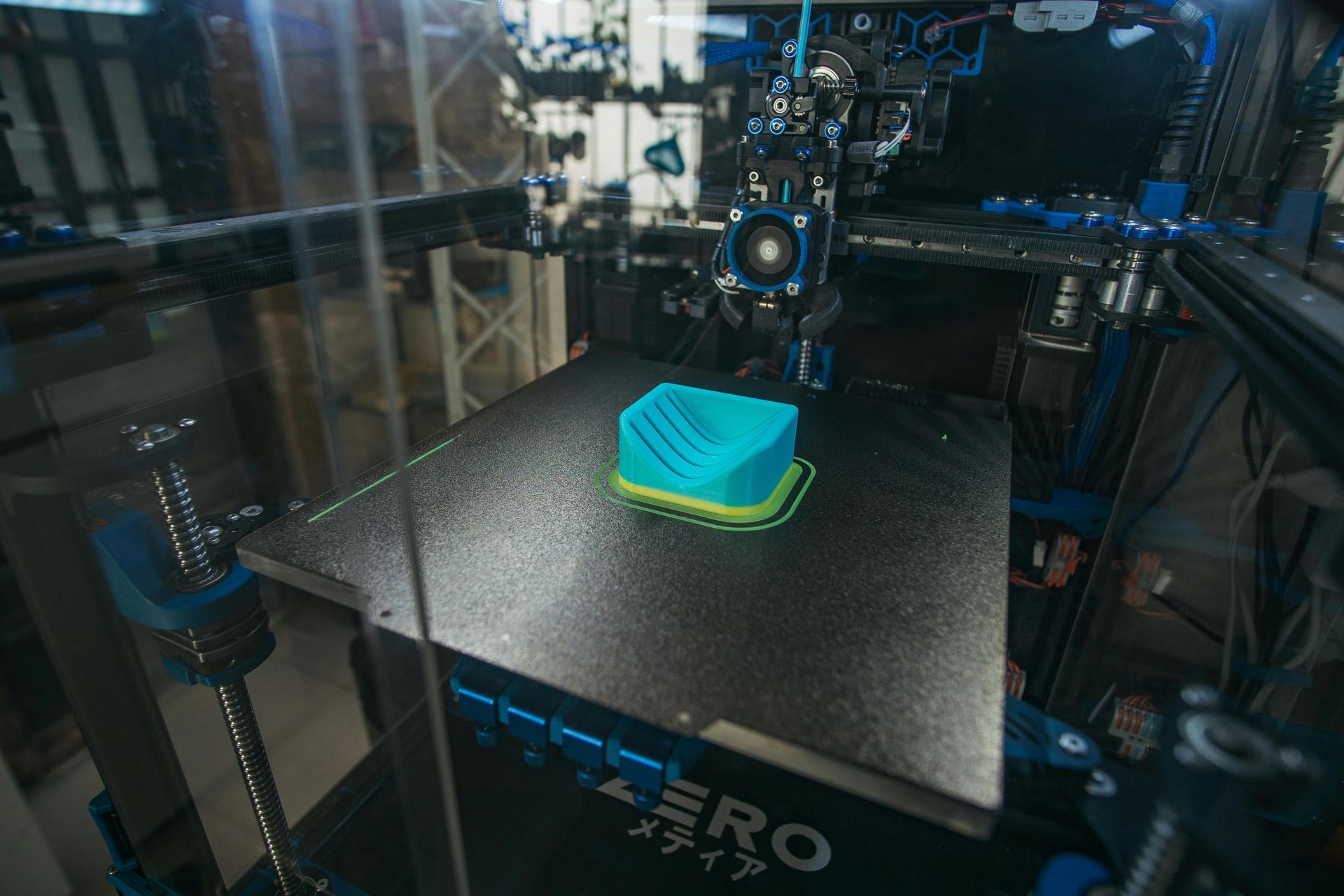
The purchase price represents only part of total ownership cost—consumable parts like nozzles and build surfaces need replacement after hundreds of hours, proprietary filament systems lock you into specific suppliers, and printers without widely available spare parts turn into expensive paperweights when a stepper motor fails. Models sold here come with clear documentation on maintenance intervals, compatible third-party filament options, and parts that ship from accessible suppliers rather than single overseas vendors with month-long lead times.
After purchase, you'll notice the difference during your first nozzle clog or bed surface replacement: open-source firmware allows tuning without manufacturer restrictions, standard nozzle threading accepts any E3D-compatible hotend, and build plates use common glass or PEI sheets available locally. Bundle deals include startup filament spools and replacement nozzles so you're not halted by a clogged 0.4mm brass tip two weeks into ownership.
Financing options and membership discounts adjust the upfront cost for buyers planning ongoing filament purchases or who need multiple printers for a shop environment. Support doesn't end at purchase—setup assistance, calibration guidance, and troubleshooting help are included, not billed separately as service calls.
Common Questions Before Buying Equipment
First-time buyers and shops upgrading from older machines typically ask about capability differences and what features justify higher price tiers.
What build volume do I actually need for most projects?
A 220x220x250mm bed handles the majority of prototyping and functional parts, while larger 300mm cubed volumes matter primarily for printing full-scale helmet replicas, large enclosures, or batching multiple smaller parts in one run to save time.
How does auto bed leveling change daily use?
Manual leveling requires re-tramming the bed every few prints as vibration and temperature cycles shift alignment, while mesh-based auto-leveling probes the surface before each job and compensates for minor warping, cutting setup time and reducing first-layer failures in Fayetteville's humidity-prone environment.
Why do some printers cost three times more than others?
Price differences reflect enclosed heated chambers for engineering materials, dual extruders for multi-color or soluble support printing, direct-drive systems that handle flexible filaments without jamming, and rigid frame construction that prevents ringing artifacts during fast direction changes.
What materials will an entry-level printer actually handle?
Most budget machines print PLA and PETG reliably but struggle with ABS due to warping without an enclosure, can't reach the temperatures needed for nylon or polycarbonate, and jam when feeding flexible TPU through long Bowden tubes instead of direct-drive extruders.
When should I choose resin printing over filament?
Resin captures detail down to individual fingerprint ridges and produces smooth surfaces without visible layer lines, making it ideal for miniatures, dental models, and jewelry casting masters, though it requires ventilation, post-curing equipment, and careful resin handling compared to filament's simpler workflow.
FreedomFab Lab LLC keeps multiple printer models assembled and running in-store, so visit during business hours to see layer quality, hear operating noise levels, and compare build speeds before committing to a purchase.